Creative Senior Memory Care Solutions
Pioneering senior memory care systems confront the multifaceted hurdles experienced by individuals with cognitive impairments. By merging technology, community support, and enriching programs, these frameworks attempt to enhance life satisfaction. Wearable devices and computational resources play vital roles in guaranteeing safety and supporting mental activation. Nevertheless, the viability of these frameworks is determined by diverse factors that merit extensive analysis. Which key developments are exhibiting most significant in genuine applications?
Recognizing Memory Care Constraints: The Demand for Innovation
Given the senior population continues to expand, comprehending the obstacles related to memory care becomes vital. Memory-related conditions, like Alzheimer's and dementia, present unique difficulties that require tailored approaches. Caregivers often encounter emotional refer to resource and physical stress, as patients may show unpredictable behaviors and different levels of cognitive decline.
Moreover, the shortage of awareness regarding productive communication approaches can disrupt connections between caregivers and patients, causing annoyance on either end. The necessity for advanced training in memory care is vital, as standard caregiving practices may not address the distinct requirements of individuals with cognitive decline.
Additionally, the stigma surrounding memory disorders can isolate both patients and their families, obstructing access to assistance services. Tackling these obstacles through creative solutions and improved instruction is vital for enhancing the quality of life for those affected by memory loss and fostering a more compassionate care environment.
The Impact of Digital Solutions in Memory Care Innovations
Technology is transforming cognitive support by implementing innovations in portable technology and computerized cognitive aids. These breakthroughs improve assistance and oversight for individuals facing cognitive decline. By adopting such digital solutions, care providers can more effectively address the unique needs of elderly individuals and enhance general well-being.
Wearable Tech Enhancements
Wearable devices has developed as a revolutionary tool in memory care, improving the standard of living for people with memory challenges. Gadgets such as smartwatches and fitness trackers are fitted with features that track essential signs, measure physical activity, and provide notifications for daily tasks. These features not only promote physical health but also support cognitive engagement by promoting routine and structure. Furthermore, GPS-enabled wearables offer peace of mind by allowing caregivers to observe the location of individuals, reducing the danger of wandering. The integration of these technologies encourages independence while guaranteeing safety, making them essential in contemporary memory care strategies. As innovations advance further, wearable technology holds significant potential for enhancing outcomes in this population.
Digital Information Solutions
Innovative digital memory tools are transforming the field of memory care, offering crucial support for individuals dealing with cognitive challenges. These tools often include intuitive applications designed to enhance memory recall, aid communication, and encourage engagement through hands-on activities. Technologies such as digital calendars, reminder systems, and cognitive training games empower users to maintain independence while encouraging social connections. Additionally, virtual reality experiences offer immersive environments that can activate memory and mental health. Caregivers also benefit from these tools; they can monitor progress and customize interventions based on individual needs. As technology continues to advance, digital memory tools play a crucial role in improving the quality of life for seniors, making personalized care more accessible and effective.
Immersive Technology Boosts Memory Retention in Elderly Individuals
VR enables seniors to have an absorbing environment that can greatly amplify memory recall. By working through cognitive activities within these virtual environments, individuals can more efficiently sharpen their mental faculties. Additionally, personalized memory approaches matched with each senior's experiences can increase the effectiveness of these strategies.
Immersive Experience Advantages
As technology advances, immersive experiences such as virtual reality (VR) have become effective methods in boosting memory retrieval for older adults. These experiences create engaging environments that activate mental processes, allowing participants to navigate familiar settings or revisit cherished memories. Research shows that VR can evoke emotional connections, which are essential for memory retrieval. By immersing seniors in sentimental situations, VR enhances sensory engagement, making recollection more vivid and accessible. Additionally, this technology offers tailored experiences, fitting unique tastes and past experiences. The interactive nature of VR stimulates involvement, facilitating interpersonal exchanges that can further boost brain function. Overall, immersive experiences provide an effective strategy to enhance mental wellness among seniors.
Interesting Cognitive Tasks
The incorporation of interactive digital platforms has enabled new avenues for engaging cognitive activities that fortify memory retrieval systems in seniors. Virtual reality (VR) provides a distinctive arena for seniors to participate in stimulating environments that evoke familiar memories and experiences. By submerging individuals in expertly designed scenarios, VR can enhance cognitive activation and promote mental challenge. Activities such as virtual travel or interactive games allow seniors to refine recall in a dynamic way, fostering both emotional and cognitive connections. Moreover, these experiences can be tailored to individual preferences, to a greater degree enhancing their effectiveness. As seniors traverse these virtual worlds, they can not only sharpen their memory but also partake in social interactions, alleviating feelings of isolation and elevating overall well-being.
Tailored Recall Solutions
While many conventional memory interventions emphasize uniform exercises, personalized memory treatments utilizing immersive technology offer a adapted approach that can substantially enhance memory recall in seniors. Virtual reality (VR) platforms, for instance, create interactive environments that elicit particular memories, encouraging seniors to interact with familiar locations from their history. This technology facilitates emotional connections, making memories more accessible. By customizing experiences based on individual histories, inclinations, and mental levels, VR can activate neural pathways that might otherwise remain dormant. Furthermore, these interventions can promote interpersonal interaction, as seniors exchange their experiences with peers or caregivers, further reinforcing memory retention. Ultimately, individualized VR experiences present a encouraging avenue for improving cognitive function in the aging demographic.
Types of Stimulating Programs for Interpersonal Connection and Mental Development
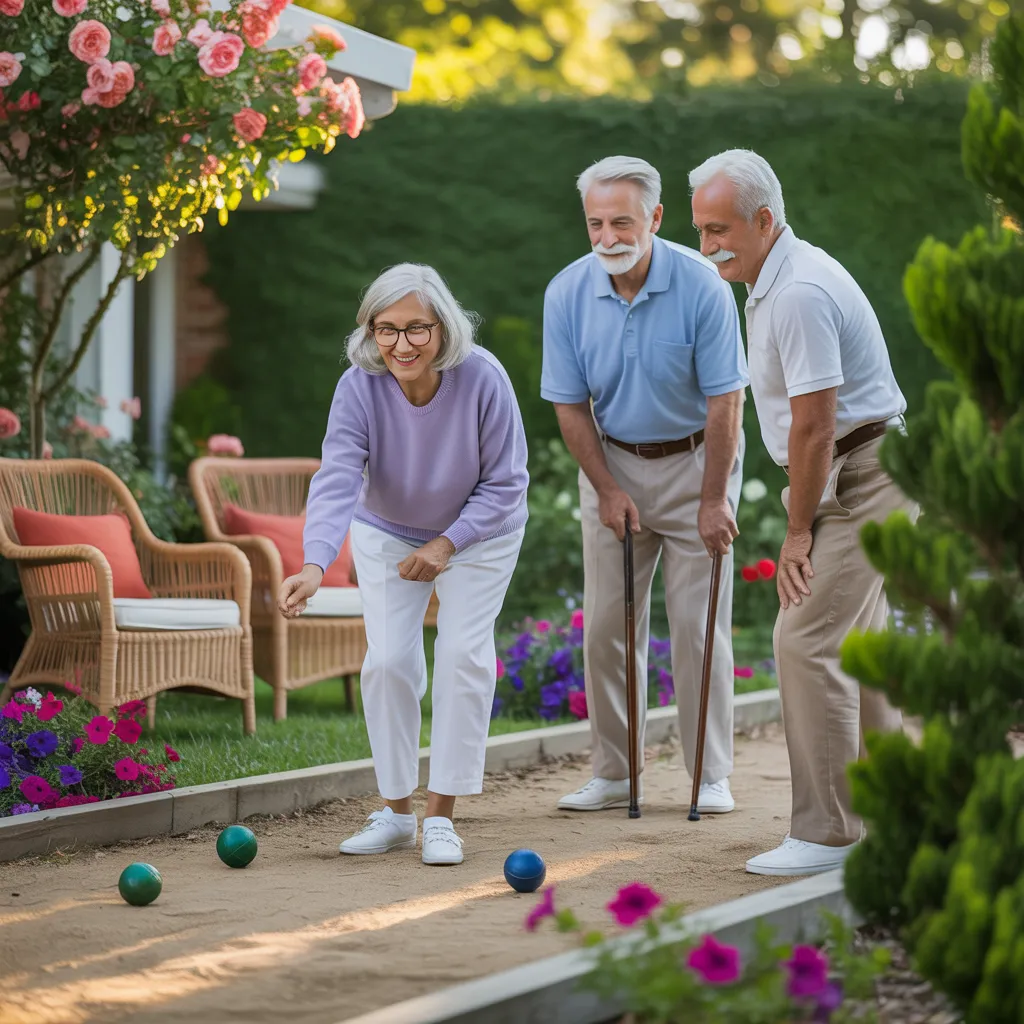
Encouraging seniors to participate in activities that support social interaction and cognitive growth is important for raising their quality of life. Different activities can successfully serve these goals. Group games such as bingo or trivia encourage teamwork and trigger memory recall, building social bonds among those taking part. Arts and crafts sessions create opportunities for self-expression while enhancing fine motor skills and creativity.
Book clubs cultivate interactions encouraging critical thinking and communicating diverse perspectives, further enriching social connections. Music therapy, involving sing-alongs or instrument playing, can activate memories and emotions, amplifying cognitive engagement.
Gardening activities not only deliver physical activity but also generate chances for teamwork and discussions about the natural world. Additionally, culinary courses enable seniors to participate in a sensory experience while learning fresh abilities. Collectively, these pursuits establish a rewarding setting that promotes both social interaction and cognitive health, ultimately improving general health and wellness.
Community-Based Memory Care Programs: Strengthening Support Networks
Community-based memory care programs demonstrate an essential role in strengthening support networks for seniors encountering cognitive challenges. These programs develop connections among individuals, families, and caregivers, creating a dependable support system that promotes the quality of life for participants. By delivering diverse offerings, such as educational workshops, support groups, and social activities, these programs facilitate seniors and their families to navigate the complexities of memory loss together.
Moreover, local initiatives encourage inclusion, encouraging seniors to engage with their neighborhoods. This engagement reduces feelings of isolation and fosters a sense of belonging, which is fundamental for emotional well-being. Additionally, these programs often partner with local organizations, healthcare providers, and volunteers, making sure that resources are easily accessible and customized to the unique needs of participants. Ultimately, community-based memory care programs serve as essential lifelines, enhancing resilience and support for seniors managing cognitive decline.
What Metrics Gauge the Success of Memory Care Strategies?
What methods can correctly measure the success of memory care approaches? Assessing these approaches necessitates a multifaceted approach. Important indicators consist of cognitive function assessments, changes in behavior, and emotional wellness. Standardized tests, like the Mini-Mental State Examination (MMSE), can determine cognitive gains or losses over time.
Additionally, feedback from caregivers delivers important insights into daily interactions and social engagement. Observing residents in diverse environments—both structured activities and downtime—can uncover the strategies' influence on quality of life.
Surveys assessing contentment among inhabitants and their loved ones also function as significant indicators of success. In addition, monitoring admission frequencies or emergency visits can highlight the effectiveness of preventive measures.
Common Queries That Are Posed Often
How Can You Identify the Indicators That a Senior Needs Memory Care?
Indicators that an senior citizen may require specialized memory services involve recurrent confusion, memory loss affecting daily life, inability to perform routine tasks, isolation from social engagement, emotional or behavioral changes, and safety issues in their residential setting.
How Can Families Assist Seniors in Memory Care?
Families are able to help seniors in memory care by keeping up regular communication, taking part in activities together, supporting individualized approaches, delivering emotional reassurance, and building a familiar environment that promotes comfort and connection throughout the treatment timeline.
How Much Will Memory Care Facilities Cost?
Monthly expenses for memory care programs commonly span from $3,000 to $7,000, contingent upon the facility's location and features. Families regularly encounter financial strain with these charges, compelling them toward strategic financial planning and support systems.
Do assisted living alternatives exist for beginning-stage dementia?
Yes, different cognitive support solutions exist for individuals with early dementia. These may include specialized assisted living facilities, daytime programs, and in-home care services customized to promote mental wellness and enhance quality of life.
How Should I Choose the Best Memory Care Facility?
Picking the best memory care facility encompasses investigating options, touring in person, reviewing staff qualifications, assessing protective features, and reflecting on resident activities. Credible reviews and guidance can likewise help households in choosing knowledgeably.